What to Do When Your Property Loses Heating

Few things are more frustrating or stressful than discovering your heating isn’t working. It can quickly make your home uncomfortable, impact daily routines, and result in long waits for repairs. For businesses, the impact can be worse, affecting staff discomfort, lost productivity, missed client meetings, and, in some cases, legal compliance issues.
The good news? The vast majority of heating issues are fixable quickly if you act fast. Whether you’re a homeowner trying to figure out what’s wrong before an engineer arrives, or a facility manager who needs to keep the building running, this guide will walk you through exactly what to do.
Read on to learn how to spot common issues, know when it’s safe to act yourself, and when it’s time to call a professional.
Need Help Right Now?
GasWise provides emergency and planning heating services for both domestic properties and commercial properties, all carried out by fully qualified Gas Safe and OFTEC engineers.
- Complete loss of heating
- Radiators not warming up
- Faulty thermostats or controls
- No hot water from your system
- Leaks in pipework or radiators
Why Do Properties Suddenly Lose Heating?
It might feel like your heating has just decided to stop working out of the blue, but there is always a reason, and it usually falls into one of two categories: a mechanical fault somewhere in the system, or a simple setting issue that’s easy to overlook.
Boiler & Heating System Faults
These are the issues that need attention, sometimes urgently. Common problems or warning signs include:
- Low System Pressure: Ideally, the gauge should read between 1 and 1.5. But if it reads less than 1 bar, your boiler pressure is too low and needs re-pressurising. This is one of the most common reasons heating stops working, and it is often caused by a slow leak or air escaping from the system.
- Trapped Air in Radiators: Air pockets can build up over time, especially in older systems. When this happens, radiators develop cold spots at the top, meaning the whole system becomes less efficient.
- Boiler Breakdown: Modern boilers have safety systems that automatically shut the unit down if they detect a problem. This can happen for a range of reasons, from a faulty sensor to a gas supply issue. Read more about common boiler breakdown issues here.
- Faulty Thermostat or Controls: If your thermostat isn’t reading the temperature correctly or isn't communicating with the boiler, it simply won’t trigger the heating to come on.
- Frozen Pipes: In cold weather, the small pipe that carries condensate away from a condensing boiler can freeze. When it does, the boiler automatically shuts down as a safety measure. This is especially common during January and February!
User & Operational Issues
Sometimes the problem is something closer to home/simpler than you think!
- Furniture Blocking Radiators: A sofa or bookcase pushed right up against a radiator doesn’t just reduce the heat output; it can cause the radiator to overheat and trip the system.
- Boiler Flow Temperature Set Too Low: If the temperature has been turned down (sometimes accidentally), the boiler will fire, but the radiators won’t feel noticeably warm.
- Timer or Schedule Reset: A power cut can reset your boiler’s timer. If the heating schedule is set to “off” during the hours you expect it to be on, you have your answer!
First Checks You Can Do Yourself
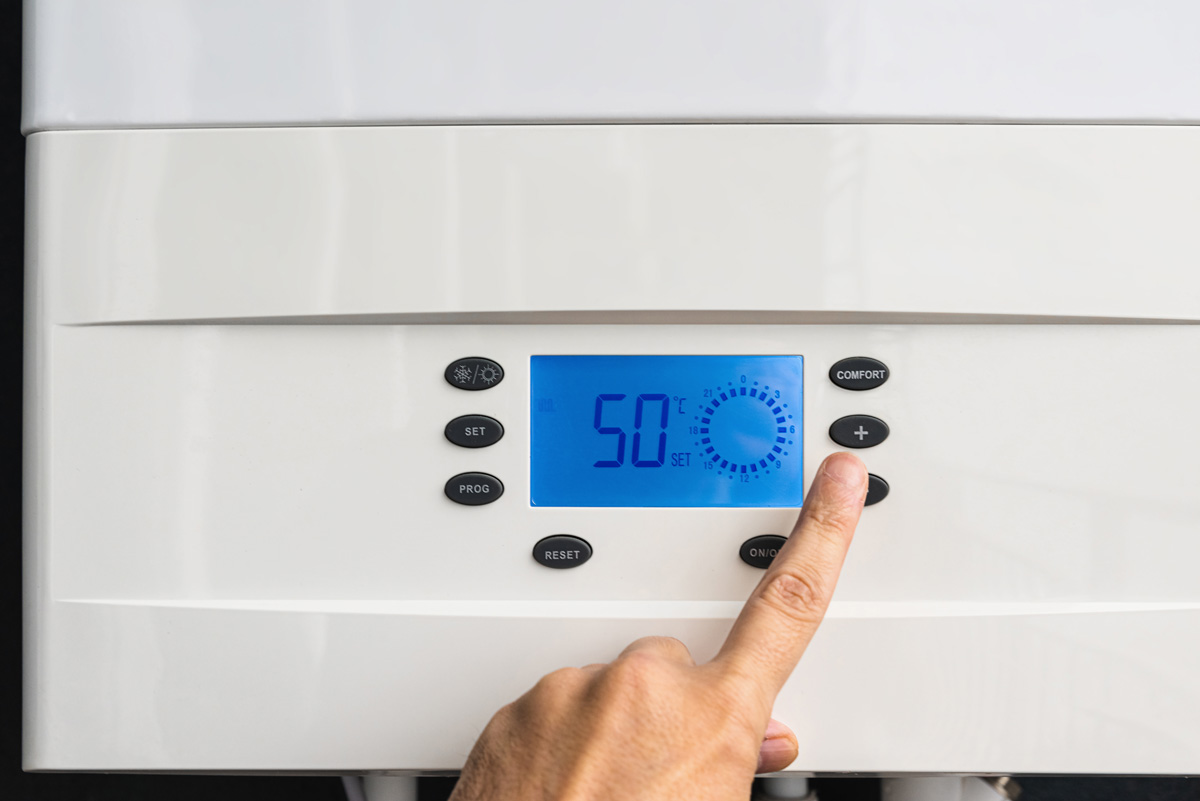
Before you call anyone out, run through this checklist. It takes a few minutes and could save you a call-out fee. These are all safe checks that don’t involve opening up any appliances or working with gas.
Your Quick Troubleshooting Checklist
- Check Boiler Pressure: Gauge should read 1 - 1.5 bar when cold.
- Verify Thermostat Settings & Timers: Make sure heating is on and schedules are correct.
- Inspect Frozen Condensate Pipes (Winter Only): Carefully thaw with warm water if necessary.
- Safely Reset Boiler: Follow instructions in your boiler manual.
- Check Error Codes: Refer to your manual to see what they indicate.
- Bleed Radiators: Release trapped air to restore heat (only when radiators are cold).
- Check Fuses or Trip Switches: Ensure pumps and zone valves have power.
When to Stop & Call Us
If you’ve gone through the checklist above and nothing has changed, or at any point you smell gas, see a warning light, or feel unsure, stop what you are doing and call an engineer. Never attempt to open up a boiler, work on gas pipework, or bypass a safety system yourself. This is illegal without a Gas Safe certification and dangerous.
When It’s More Than a Quick Fix: Signs of a Serious Breakdown
If any of the following warning signs apply, you’re dealing with something that needs professional diagnosis and not a DIY solution.
Warning Signs That Need Expert Attention:
- Persistent Cold Radiators: Even after bleeding them and confirming the system pressure is correct, this usually indicates a circulation problem, a stuck valve, or significant sludge buildup. Learn more about Power Flushing and how it can restore your system’s efficiency.
- Multiple Radiators Failing at Once: The problem is almost certainly in the boiler or the main pipework, not individual radiators.
- A Gas Smell or Carbon Monoxide Alarm Going Off: This is serious and needs to be treated as an emergency immediately. We cover this in full detail in the safety section below, but the short version is: get everyone out and call 999. Do not stay in the building.
- Fault Codes Appearing Repeatedly: If the same code keeps coming back, the boiler is telling you there’s an underlying problem that a reset won’t fix.
- Electrical Indicators or Internal Boiler Faults: Flashing lights, error displays, or the boiler refusing to ignite at all can point to failed components inside the unit. These need to be diagnosed by a qualified engineer.
Need a diagnostic? Contact us for Central heating diagnostic and repair
Commercial Heating Outages - What to Do
If you manage a commercial property, whether it’s an office, retail space, warehouse or care facility, a heating outage can escalate quickly. Acting fast and following the right steps can help minimise disruption and risk. Here’s what you need to do:
Emergency Response Checklist for Facilities Managers
To reduce the risk of future heating breakdowns, ask us about our Commercial Planned Maintenance Plans.
Safety First: Gas & Carbon Monoxide Risks
Gas leaks and carbon monoxide exposure are rare, but when they do happen, they can be life-threatening. Carbon monoxide is particularly dangerous because it’s completely invisible, odourless, and tasteless. You cannot detect it without an alarm.
Don’t Wait for Your Boiler To Break
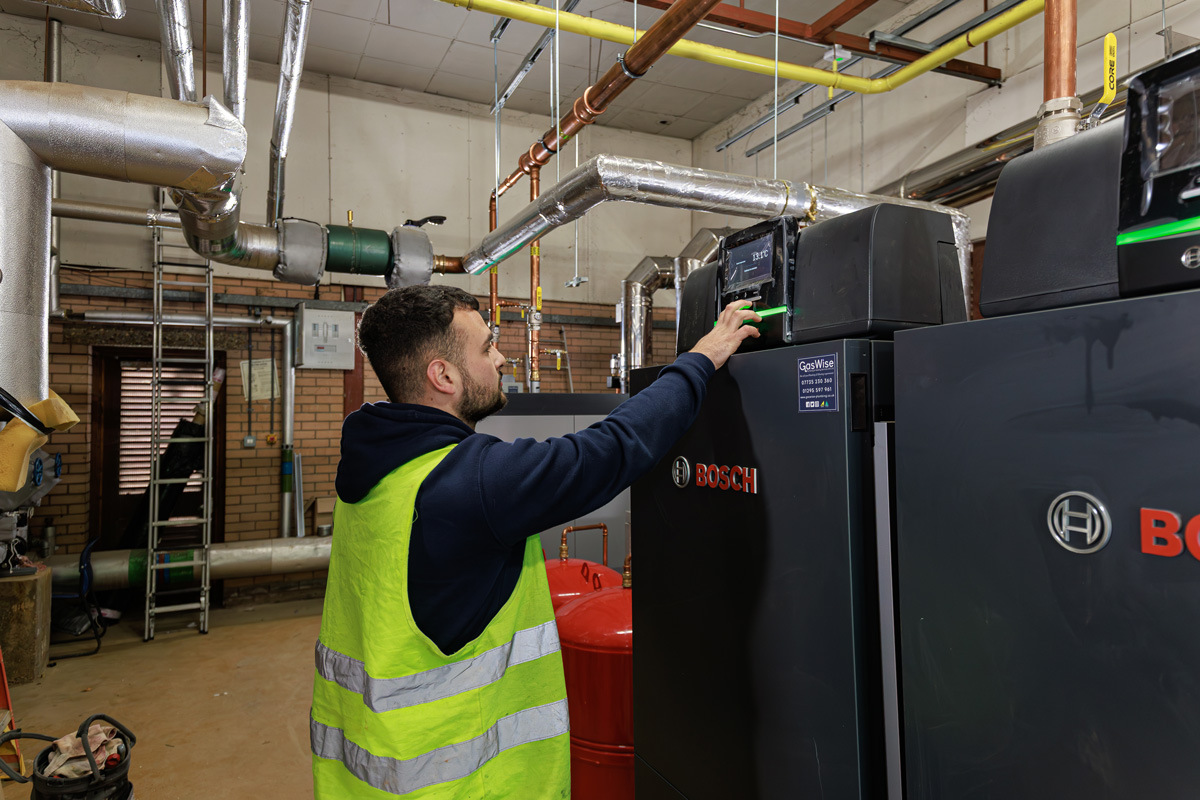
The majority of boiler breakdowns and heating failures are entirely preventable. Regular maintenance goes a long way and is significantly cheaper than an emergency call-out.
Did you know…
Over 3 million households have never had their boiler serviced, according to research by Benchmark. Meanwhile, boiler failures cost British households an estimated £32 million a year, with an average repair bill of around £300 per incident.
Contact Our Engineers to Fix Your Heating
GasWise is here to help you quickly and reliably, 24/7, whether it’s an emergency or routine maintenance. We offer long-term maintenance plans covering all domestic and commercial heating systems, such as central heating, boilers, radiators, underfloor heating, warm air systems, pipework, thermostats, and energy efficiency upgrades.
All work is carried out by fully qualified Gas Safe & OFTEC engineers, ensuring safety, compliance, and peace of mind for you and your property.
FAQs
-
How soon can an engineer attend in an emergency?
Response times typically depend on your location and the engineer’s availability. For example, at GasWise, we provide fast-response callouts for urgent boiler breakdowns in around 60 to 90 minutes*.
If you need urgent support, please contact us, and we’ll let you know when we can be with you.
* This is a rough estimate. We’ll let you know the accurate timings when you call.
-
Can I try any fixes safely myself?
Yes, you can safely check boiler pressure, thermostat settings, timers, frozen condensate pipes, and bleed radiators. Never work on gas or boiler internals; you must call a Gas Safe or OFTEC engineer for that.
-
What does a boiler reset actually do?
A reset safely restarts the boiler after a fault. If error codes persist, a professional diagnosis is required.
-
How often should I service my heating system?
Annual servicing is recommended for domestic and commercial systems to ensure safety, efficiency, and compliance.
-
What heating issues are considered emergencies?
Seek immediate help for: complete loss of heating, gas leaks, carbon monoxide alarms, repeated boiler fault codes, or frozen or leaking pipes.
-
Can GasWise service both domestic and commercial systems?
Yes. GasWise engineers work on domestic and commercial heating systems, including boilers, central heating, radiators, and warm air systems. All work is carried out by fully qualified Gas Safe and OFTEC engineers, depending on the type of system.
-
Why does preventative maintenance matter?
Planned maintenance schedules detect early faults, prevent system failures during peak hours, improve energy efficiency, and extend the life of boilers, pumps, valves, and pipework.


